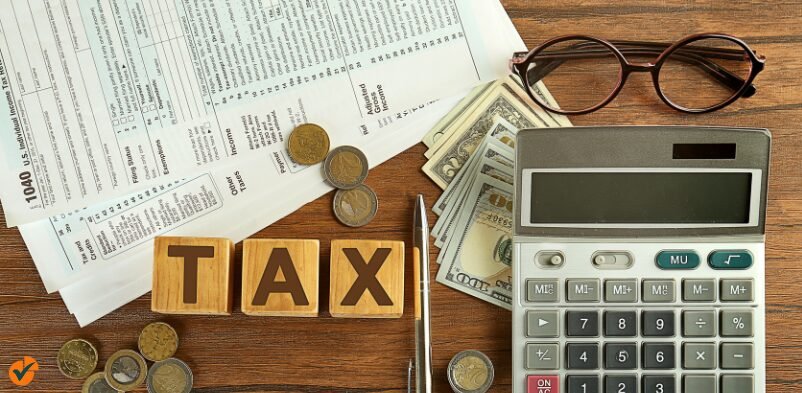
How Do We Pay Taxes?
If you are a Canadian, then there is one responsibility that you cannot and should not run away from. It is paying your taxes. It is with the tax that you pay that the government can provide essential services like healthcare, education, public safety, transportation, and social benefits to its citizens. You may feel overwhelmed in understanding the tax system, but we recommend that you start with the basics.
Here is an easy guide by Taxccount Canada that explains how taxes work, the different types of taxes that Canadians pay, and why you need to pay taxes.
What Are Taxes And Why Do We Pay Them?
Taxes are mandatory financial contributions or payments levied by the government. They apply to individuals, businesses, and organizations. These taxes that are collected by the government are then used to run the country and maintain essential services for the citizens.
Some of the main areas in the country where taxpayers’ money is used are –
- Hospitals and healthcare facilities
- Public schools and universities
- Construction and maintenance of roads
- Police and fire departments
- Emergency services
- Canadian social programs like CPP, EI, and child care benefits
Every time you earn something, buy any goods, or sell an asset, a part of it is taxable as per Canadian law.
Types Of Taxes Paid In Canada
There are many kinds of taxes in Canada. Obviously, you cannot understand all of them. But having the basic knowledge of basic taxes is crucial. Here are some of the most common taxes in Canada –
Income Tax
The first and most important type of tax is income tax. It is the biggest source of federal revenue. In Canada, you have to pay income tax on –
- Employment income
- Self-employment income
- Investment income
- Rental income
- Capital gains
In most cases, Canadian citizens pay income tax throughout the year and not just during the tax season.
Sales Tax
When you buy any goods or services in Canada, you have to pay Goods and Services Tax (GST), Harmonized Sales Tax (HST), or Provincial Sales Tax, depending on your province.
Property Tax
If you own land or a home, property tax is charged to you by your municipality.
Payroll Deductions
Employees in Canada contribute to the Canada Pension Plan (CPP) and Employment Insurance (EI) through automatic deductions on each pay cheque that they receive.
How Do We Pay Taxes?
There are several ways through which Canadians pay taxes throughout the year. Some of these are automatic, while for others you need to calculate the amount and then submit the payments yourself.
Understand Canadian Taxes
☎️ Get HelpTaxes Are Deducted From Your Pay Cheque
If you work as an employee in Canada, your employer will automatically deduct –
- Federal and provincial income tax
- CPP contributions
- EI premiums
The money collected is called source deduction or withholding tax. It is directly sent to the Canada Revenue Agency (CRA). At the end of the year, you will receive a T4 slip from your employer, which will summarize all your income and deductions.
Paying Taxes When You File Your Tax Return
You must file a personal tax return (T1 form) every year. There can be 2 scenarios when you file –
- If you have paid more tax than needed – you will get a refund.
- If you have paid less tax than needed – you owe the balance amount to the CRA.
You can pay this amount through –
- Online banking
- CRA My Account
- Pre-authorized debit
- Credit card or PayPal using third-party providers
- In-person at various Canada Post locations
Paying Taxes As A Self-Employed Person
If you are self-employed, you cannot have tax deducted by your income automatically. Here’s what you need to do –
- Keep a track of all your business earnings
- Keep a track of all the business expenses
- Pay both the employer and employee portions of the CPP
- File a tax return using business or professional income
If your tax bill is high, you are required to make quarterly tax instalments. The CRA will notify you when the instalments are required.
To know more about how you can pay taxes as a self-employed individual in Canada, you can get in touch with our expert team at Taxccount Canada.
Paying Taxes At The Time Of Transactions
Certain taxes are instantly paid at the time of sale or purchase. The most common of these are –
- GST/ HST on shopping
- Property transfer tax when you buy a home
- Capital gains tax when you sell investments or property
- Withholding taxes for specific non-resident payments
All these taxes are usually collected automatically. But if you want to know more about any of these specific types of taxes, our team from Taxccount Canada can guide you.
Tax Instalments
In case you owe more than $3000 in taxes at the end of the year (varying by province), the CRA may ask you to pay it in instalments –
- 4 payments per year
- Based on your previous year’s tax owing
This system helps to spread out payments and prevents large bills at the time of tax payment.
How Does CRA Receive And Process Our Taxes?
It is the Canada Revenue Agency (CRA) that manages all tax collection in the entire country. Once you pay your tax –
- Your payment is recorded in the CRA account.
- The tax return is processed.
- Any refunds or credits are issued.
- The CRA updates your file for the next tax year.
Stay updated through CRA My Account. It will help you track payments, notices, and benefits.
File Taxes Correctly
☎️ Consult NowThis is general information only and not professional advice. Consult a professional before acting.